At a glance
The Xiaomi Air Purifier (H13) sits in the middle of Xiaomi’s lineup — more powerful than the Compact models, more capable than the budget options, and still under $250. It’s the “sweet spot” pick for most buyers who want a smart purifier that can handle a bedroom or a medium-sized living room without breaking the bank.
Think of it as the “pro” version of the Compact — same great filtration, a bit more power, a slightly bigger body, and a full smart-home experience.
Design and build quality
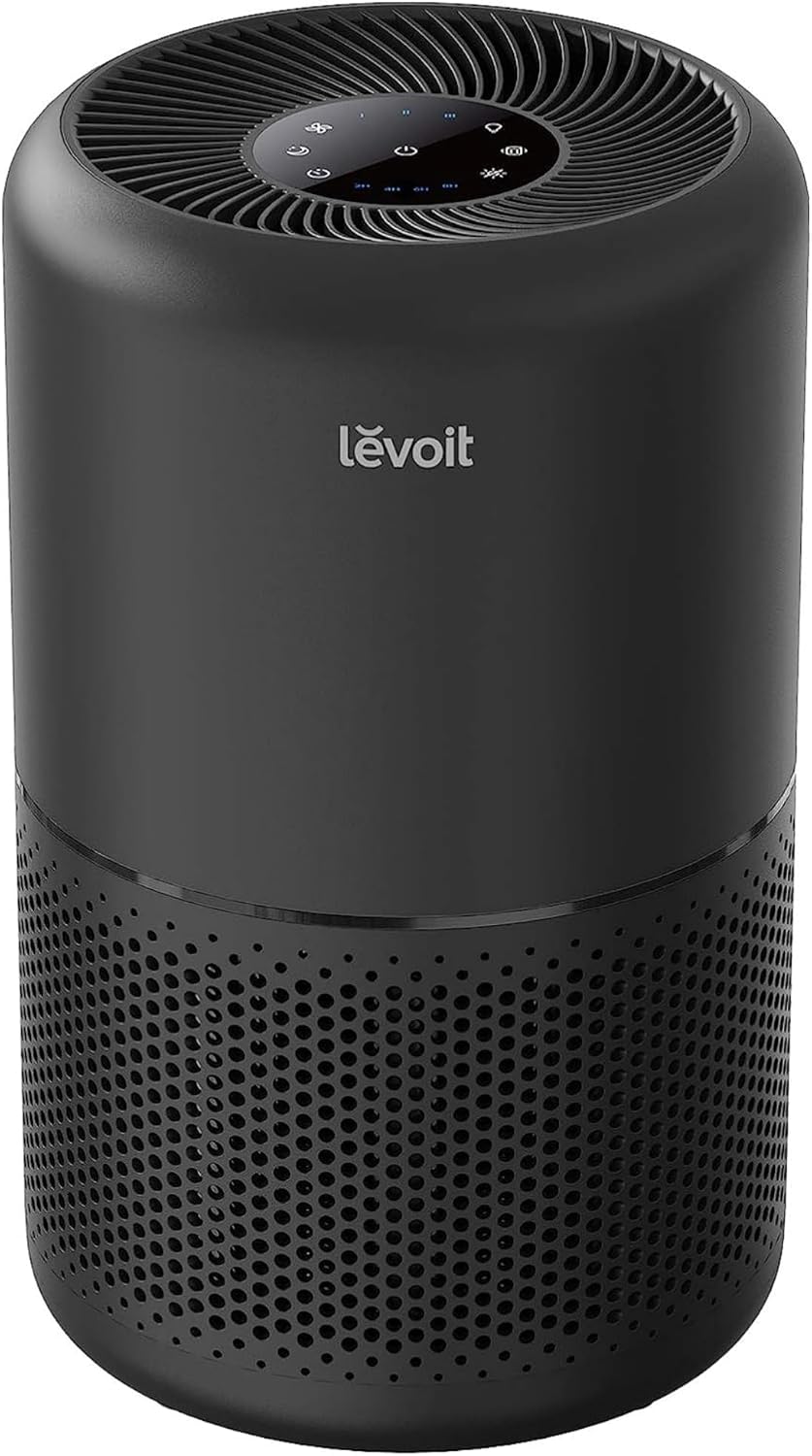
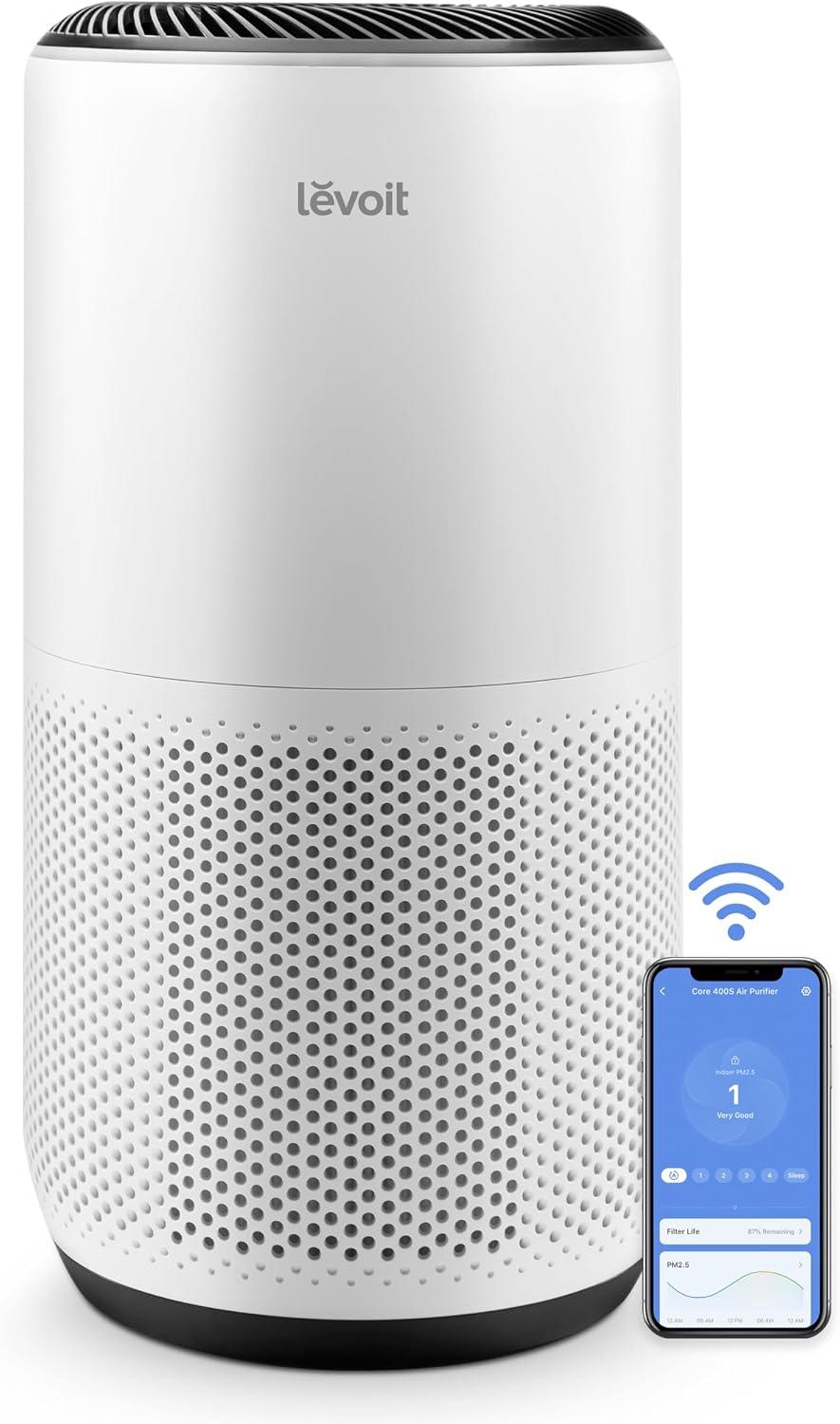
The H13 model is a clean, rounded rectangular column — about 18 inches tall and 13 inches wide. It’s slightly larger than the Compact, but still compact enough to fit in a corner or against a wall. The white matte finish resists fingerprints, and the top-mounted LED ring shows air quality at a glance (blue = good, yellow = moderate, red = poor).
The build is solid. The filter drawer latches cleanly, the unit is stable, and it feels like a product that’ll last for years. The 360° top-intake design means placement flexibility — you can put it in a corner or in the middle of a room.
Performance in real use
With a dust CADR of roughly 420 m³/h, the H13 handles rooms up to ~538 sq ft (50 m²). In a standard bedroom (12×14 ft), it cycles the air multiple times per hour on medium. In a larger living room (20×25 ft), it works well but you’ll want to keep it on high for the first few days to knock down the initial dust load.
The H13 True HEPA filter is the same as the Compact models: 99.97% capture efficiency at 0.3 microns. Pollen, pet dander, dust mite debris, mold spores, and smoke particles are all handled. The carbon layer is a genuine secondary filter, not a token strip — it handles light cooking odors, pet smells, and mild VOCs.
In real use, the PM2.5 readout on the LED ring drops from a typical 35–50 (dusty day) to under 10 within 15–20 minutes on high. That’s a measurable, repeatable change.
Noise
On the lowest setting — labeled “Sleep” in the app — it runs at ~22 dB, which is below the threshold of normal conversation and quieter than most white-noise machines. You can run it all night in the next room without waking a partner.
On high it hits ~55 dB, which is comparable to a running shower. You won’t want it on high in a bedroom, but for a quick air reset after cooking or before guests arrive, it’s perfectly fine. The auto mode is the sweet spot: it starts low and ramps up only when the PM2.5 sensor detects a change.
Filters and running costs
The filter is a single combined cartridge (pre-filter + HEPA + carbon) that Xiaomi recommends replacing every 6–12 months depending on usage. The replacement filter is available on Amazon for roughly $45, which works out to about $45–90 per year.
There’s no separate washable pre-filter, so all the dust ends up in the HEPA cartridge. In a dusty home or one with pets, you’ll lean closer to the 6-month end of that range. The app tracks filter life and notifies you when it’s time.
Smart features
Through the Mi Home app, you get:
- Real-time air-quality tracking with a color-coded LED ring on the unit
- Scheduling — set it to ramp up at 6 PM when you come home, or stay on low all night
- Remote control — start it from the office so the apartment is clean when you walk in
- Filter-life monitoring with a replacement reminder
- Auto mode that adjusts fan speed based on the built-in PM2.5 sensor
The app is clean, responsive, and doesn’t try to sell you anything. If you’re already in the Mi Home ecosystem (smart bulbs, air conditioner, security camera), the H13 slots in seamlessly.
Important note: The H13 does not support direct Alexa or Google Assistant integration. If you want voice control, you’ll need to use a Xiaomi smart speaker (like the Xiao AI) as a bridge, or control it through the app’s routines.
Who should buy it
- Anyone who wants a smart purifier that can handle a bedroom or a medium-sized living room
- Mi Home ecosystem users who want a top-tier purifier that plays nice with their other devices
- People with moderate allergies who want measurable air-quality feedback
- Anyone who finds the Compact’s coverage a bit limited and wants more power
Who should skip it
- Small bedrooms under 200 sq ft — the Compact is cheaper and does the job
- Large open-plan living spaces over 700 sq ft — you’ll want a higher-CADR model
- Households that want direct Alexa/Google voice control without a bridge
- Heavy odor or VOC problems — look for a unit with a thicker carbon filter
The bottom line
The Xiaomi Air Purifier (H13) is the best all-rounder in Xiaomi’s lineup. It has more power than the Compact, more features than the budget models, and still comes in under $250. If you want a smart purifier that can handle a bedroom or a medium-sized living room without breaking the bank, this is the one to buy.