The short version
Your air purifier is only as good as its filter. A clean HEPA filter captures 99.97% of particles. A clogged one might capture 50% — and the purifier doesn’t know the difference. It keeps running, keeps blowing air, and you think it’s working fine. It’s not.
Here’s how to keep your filters clean, know when to replace them, and avoid the hidden costs that catch people off guard.
The three layers of your filter
Most air purifiers use a three-stage filtration system:
- Pre-filter — catches large particles (hair, lint, dust bunnies). If it’s washable, this is the layer you clean monthly.
- HEPA filter — captures 99.97% of particles down to 0.3 microns (pollen, pet dander, mold spores, smoke). This is the main event.
- Carbon filter — adsorbs gases, odors, and VOCs. Saturates faster than the HEPA.
Some units combine the HEPA and carbon into a single cartridge. Others have them as separate layers. Check your purifier’s manual to see which it is.
The monthly routine (5 minutes)
If your purifier has a washable pre-filter, do this once a month:
- Turn off and unplug the purifier.
- Slide out the filter drawer.
- Remove the pre-filter (it’s the mesh or foam layer on the outside).
- Rinse it under running water (no soap).
- Let it air-dry completely (24 hours) before putting it back.
- While the pre-filter is drying, vacuum the HEPA filter with a soft brush attachment. This removes surface dust without damaging the media.
This 5-minute routine can extend the life of your HEPA filter by 2–3 months. It’s the single highest-ROI maintenance task you can do.
The 6–12 month replacement
The HEPA filter itself can’t be cleaned — it needs to be replaced. The manufacturer’s recommended interval is typically:
- 6 months — 24/7 use, dusty home, pets
- 8–12 months — intermittent use, clean home, no pets
The app’s filter-life estimate is based on usage time, not actual air quality. If you live in a dusty area or have pets, the real filter life will be shorter than the app says. Check the filter visually — if it’s dark gray or black (instead of white or light gray), it’s time to replace it.
Filter costs by brand
| Brand | Filter cost | Replacement interval | Annual cost |
|---|---|---|---|
| Xiaomi (4 Compact) | ~$40–50 | 6–12 months | $40–100 |
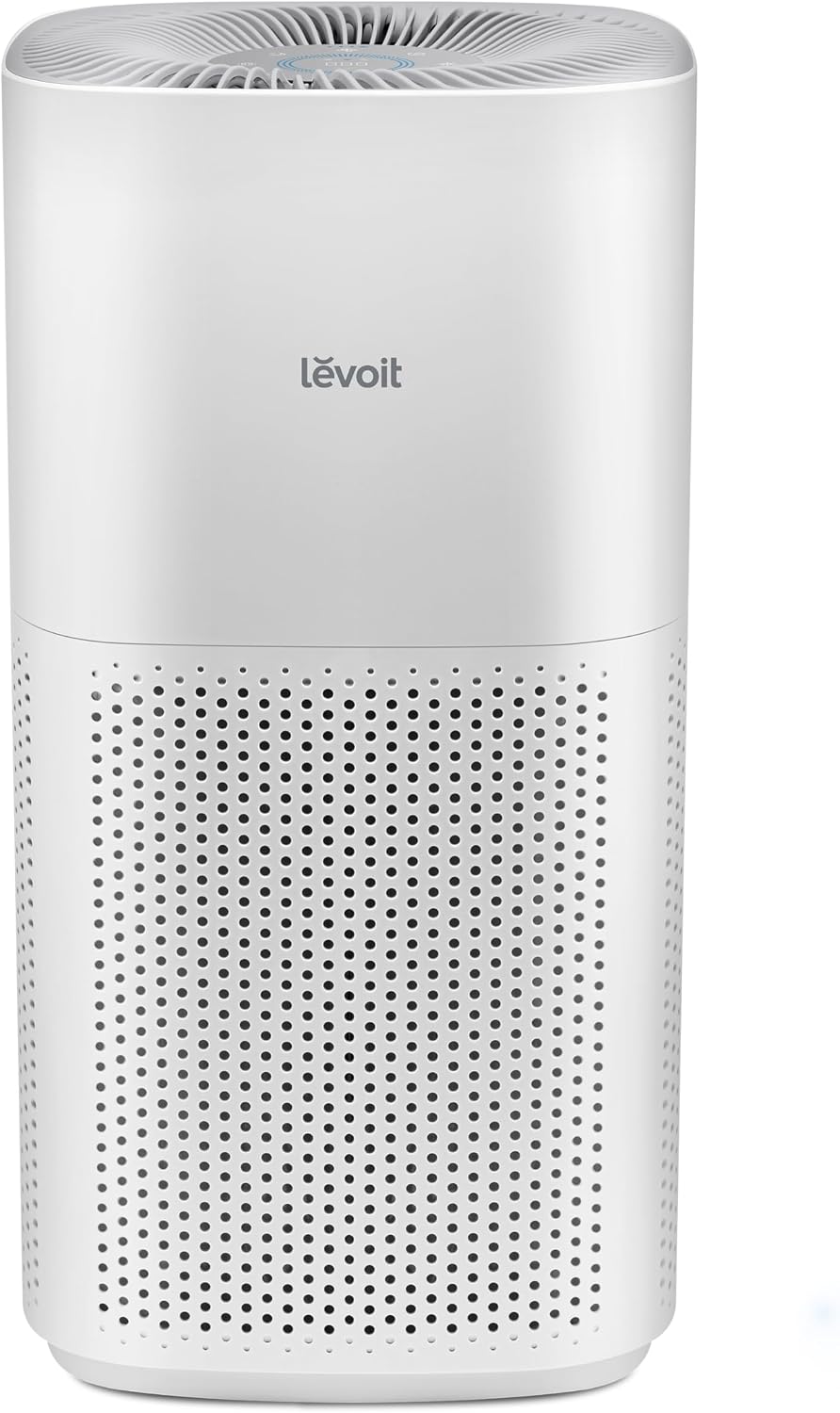
| Levoit (Core 300) | ~$30 | 6–8 months | $60–80 |
| Coway (AP-1512HH) | ~$40–50 | 12 months | $40–50 |
| Blueair (Blue Pure 511) | ~$30–40 | 6–12 months | $30–80 |
The Coway has the best filter value — a 12-month replacement interval at a moderate cost. The Levoit Core 300 has the cheapest filter but the shortest interval.
What NOT to do
- Don’t run on high 24/7 — it loads the filter faster. Use auto mode.
- Don’t wash the HEPA filter — water destroys the media.
- Don’t ignore the filter-life alert — a clogged filter can overheat the motor.
- Don’t buy a “compatible” filter — use the manufacturer’s filter or a verified third-party (like True HEPA-certified). Cheap knockoffs often don’t meet the spec.
- Don’t skip the pre-filter cleaning — it’s the #1 life-extension for the HEPA.
The hidden cost of ownership
Here’s the math most buyers miss:
A $105 purifier with $80/year filters costs $345 over 3 years. A $219 purifier with $50/year filters costs $369 over 3 years.
The “cheap” purifier is actually more expensive over time. Always calculate the 3-year total: purchase price + (annual filter cost × 3).
When to replace the entire purifier
If your purifier is 5+ years old and the filter cost is climbing, it might be time to replace the unit. The motor and fan also wear out over time — if the purifier is no longer as quiet or as powerful as it used to be, the motor is degrading. At that point, a new unit (especially from a brand like Xiaomi or Levoit, where prices are low) is often cheaper than a major repair.
The bottom line
Vacuum the pre-filter monthly, replace the HEPA every 6–12 months, run on auto mode, and calculate the 3-year total cost before you buy. Do these four things and your purifier will stay at full efficiency for years — and you’ll avoid the surprise of a clogged filter that’s been quietly letting dust into your bedroom.