Why pollen season needs a different strategy
Pollen isn’t like dust. It’s seasonal, predictable, and intense. During peak pollen hours (early morning, 5–10 AM), a single tree can release billions of grains per square foot. Those grains drift in through windows, vents, and on your clothes, and they settle on your bedding, couch, and floor.
Here’s the problem: you don’t notice the pollen until it’s in your lungs. By the time you’re sneezing, your eyes are itchy, and your sinuses are blocked, you’ve been breathing it for hours. A purifier running continuously on auto mode catches the pollen before it settles, reducing your total exposure by 50–80%.
The 9-month pollen protocol
If you’re a seasonal allergy sufferer in the US, here’s what to do:
February (Pre-season):
- Clean all filters (or install new ones)
- Run the purifier on high for 2 hours to knock down the winter dust
- Schedule a filter replacement reminder for August (9 months later)
March–May (Tree pollen):
- Run the purifier on auto mode 24/7 in the bedroom and living room
- Keep windows closed during peak pollen hours (5–10 AM)
- Shower and change clothes after being outside
- The PM2.5 history graph should show a spike in the early morning — that’s the pollen
May–July (Grass pollen):
- Same as tree pollen, but the spike is less intense
- The purifier’s auto mode handles it without you thinking about it
August–October (Ragweed):
- The most intense pollen season. Run the purifier on auto mode 24/7
- Keep windows closed during the entire day
- If you have a pet, wash its bedding weekly — ragweed sticks to fur
November–January (Off-season):
- Run the purifier on low mode at night (it still helps with dust)
- Clean or replace the filter
- You’re ready for next season
The picks, in detail
#1: Xiaomi Mi Air Purifier 4 Compact — Best for allergy sufferers
The 4 Compact is the best pick for allergy sufferers for three reasons:
- High CADR — 400 m³/h is enough to keep a bedroom + living room clean during peak pollen hours.
- PM2.5 history graph — The Mi Home app shows you the pollen spike pattern over the day. You can see that the early morning (5–10 AM) is when the pollen hits, and the purifier ramps up automatically.
- 20 dB on low — Quiet enough to run all night without disturbing your sleep.
Pro tip: Set the purifier to “Pollen Mode” (if your Mi Home app has it) or schedule it to start on high at 5 AM and switch to auto at 8 AM. This catches the pollen peak before it settles on your bedding.
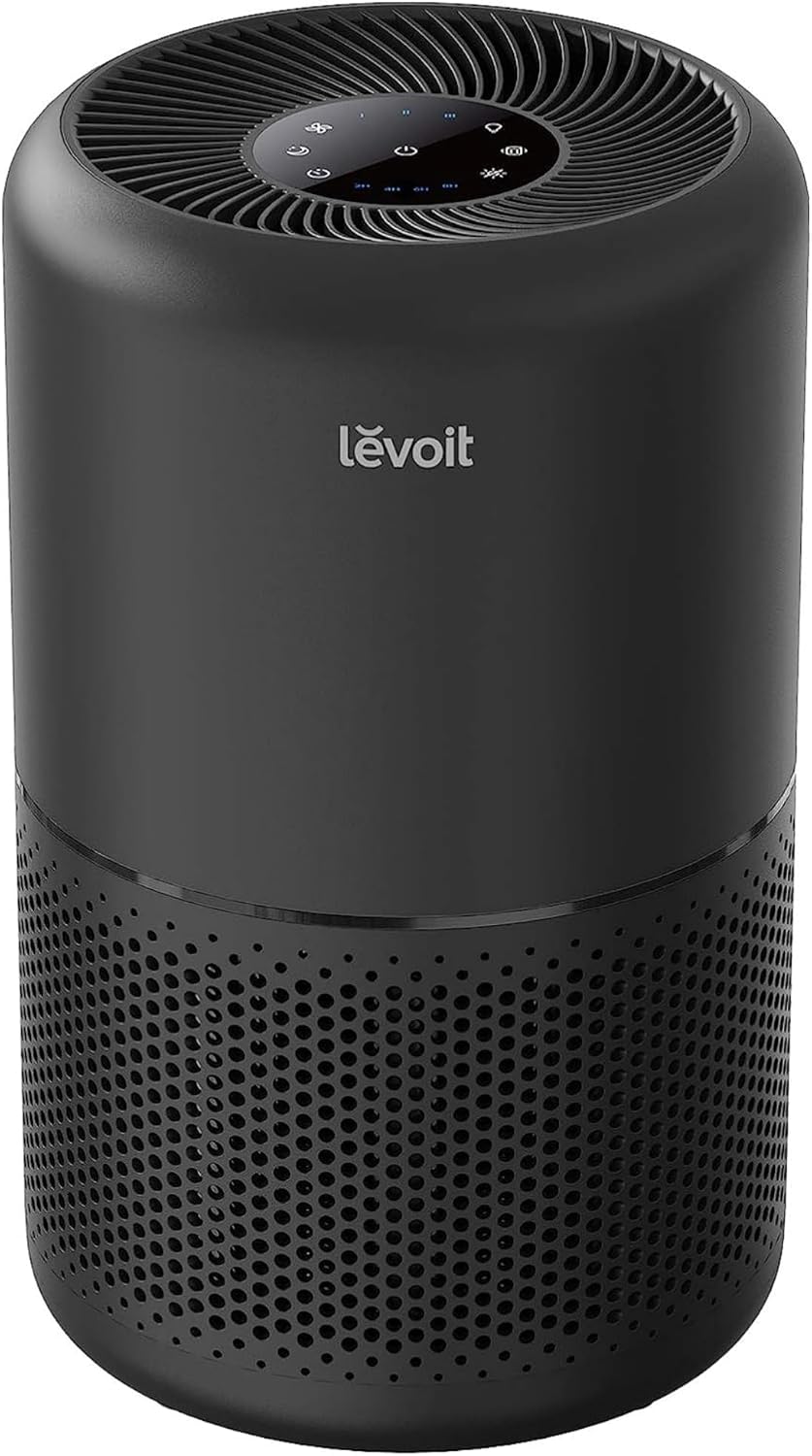
#2: Levoit Core 300S — Best budget pick
If you’re on a tighter budget, the Core 300S is the best value for a single allergy bedroom. At ~$150, you can afford a second unit for the living room — which is the key to reducing your total pollen exposure.
The Alexa/Google integration means you can say “Hey Google, turn up the bedroom purifier” from bed. The 24 dB noise floor is quiet enough for all-night use.
The catch: The filter needs replacing every 6–8 months at ~$30. During pollen season, you’ll be at the 6-month mark.
#3: Xiaomi Smart Air Purifier 4 Compact (2024) — Best for light sleepers
If you’re a light sleeper who can’t sleep next to a fan of any kind, the Smart 4 Compact is the quietest smart purifier we’ve tested. At 20 dB on the lowest setting, it’s genuinely inaudible.
The “Sleep” mode dims the OLED display and locks out the high-speed settings, so you can’t accidentally crank it up in the middle of the night.
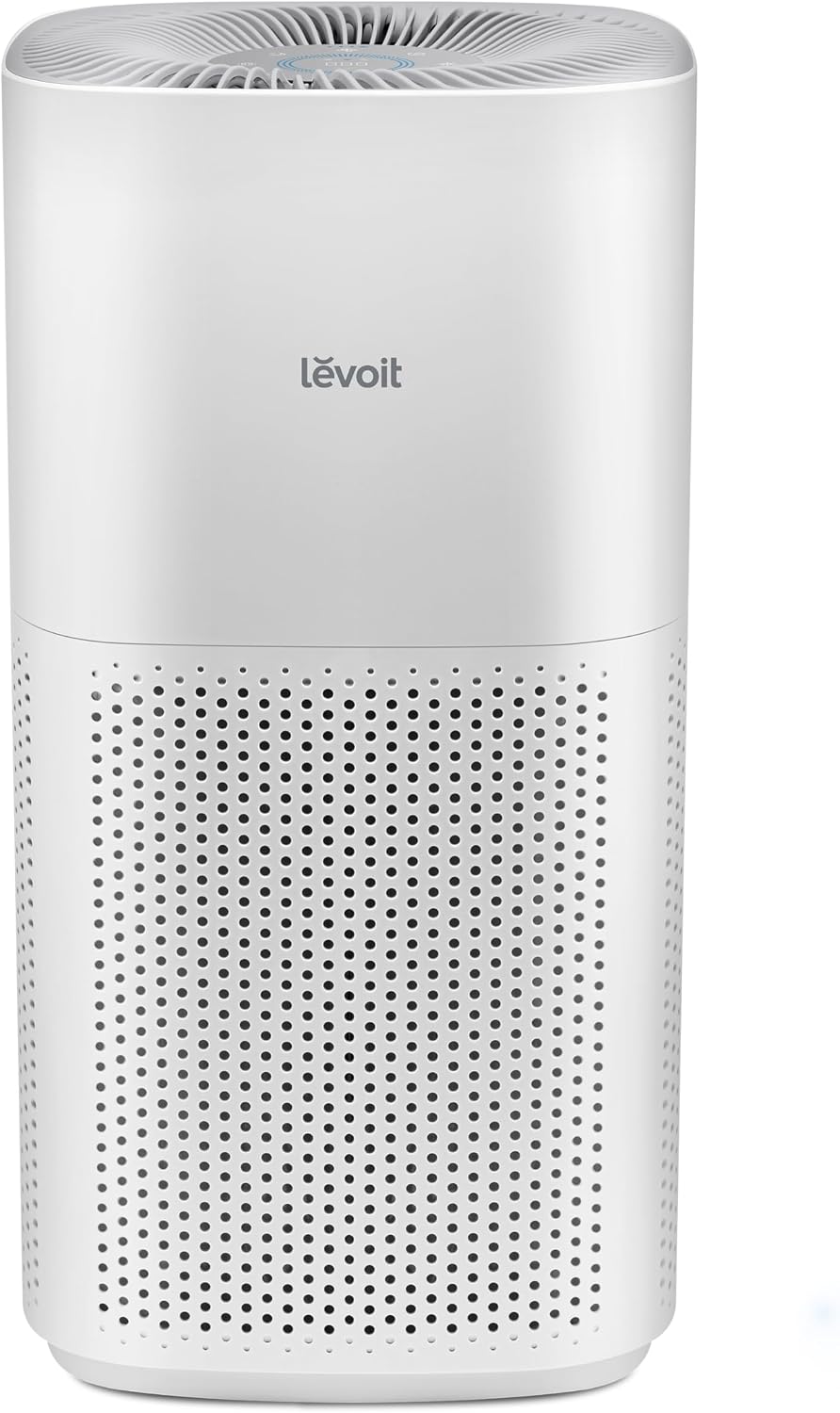
#4: Levoit Core 300 — Best no-frills budget pick
If you just want a cheap, effective purifier for a small bedroom and don’t care about smart features, the Core 300 is the cheapest True HEPA purifier on the market at ~$105.
No app, no Wi-Fi, no voice control — just a purifier that captures pollen. In a 200 sq ft bedroom, it’ll cycle the air multiple times per hour on medium, keeping the pollen count low.
The bottom line
For pollen season, the Xiaomi Mi Air Purifier 4 Compact is the best pick — high CADR, a PM2.5 history graph that shows you the pollen pattern, and a 20 dB noise floor. If you’re on a tighter budget, the Levoit Core 300S is the best value for a single bedroom.
The key is to run it continuously during peak pollen hours and change the filter on schedule. A purifier that’s only on during the day won’t catch the early morning pollen spike that settles on your bedding.