Why humid climates are different
Mold doesn’t grow in dry air. It needs humidity above 60% to thrive. In the US, the most mold-prone regions are:
- The Southeast (Florida, Georgia, the Carolinas, Texas, Louisiana) — high humidity year-round
- The Pacific Northwest (Washington, Oregon) — wet winters, mild summers
- Coastal cities (San Diego, San Francisco, New England) — salt air + humidity
- Basements (anywhere) — ground moisture seeps in
If you live in one of these areas, you’re breathing mold spores year-round. A HEPA purifier is the most effective way to reduce your inhalation exposure.
The picks, in detail
#1: Xiaomi Mi Air Purifier 4 Compact — Best for bedrooms
The 4 Compact is the best pick for a bedroom in a humid climate. Its 400 m³/h CADR is enough to cycle a 200–300 sq ft bedroom multiple times per hour, keeping the mold spore count low.
The PM2.5 history graph in the Mi Home app is the killer feature for mold-prone homes. You can see the spore pattern — it typically spikes in the early morning (when humidity peaks) and after you shower. The purifier’s auto mode ramps up automatically when it detects the spike.
Pro tip: Set the purifier to start on high at 5 AM (before you wake up) and switch to auto at 7 AM. This catches the overnight humidity peak.
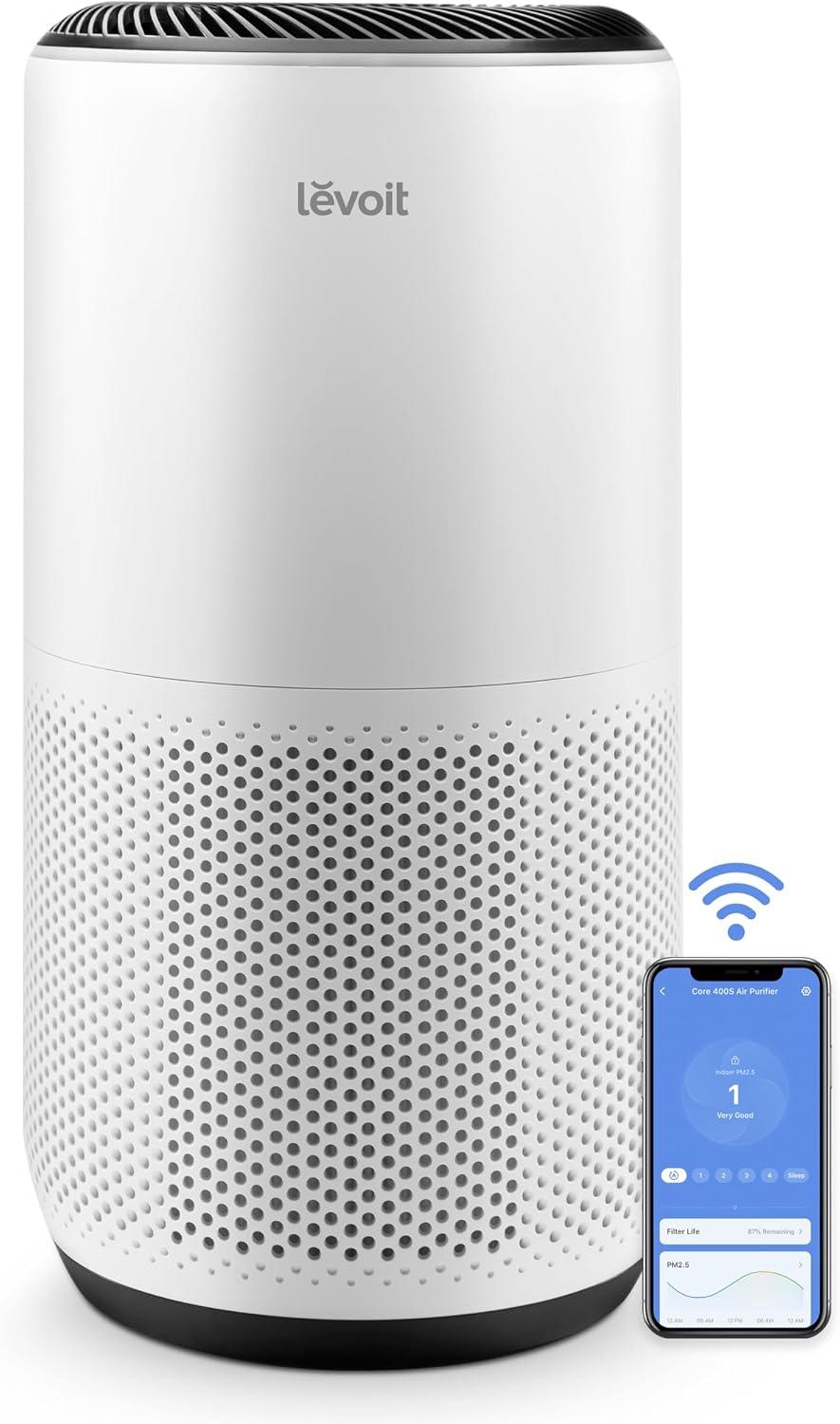
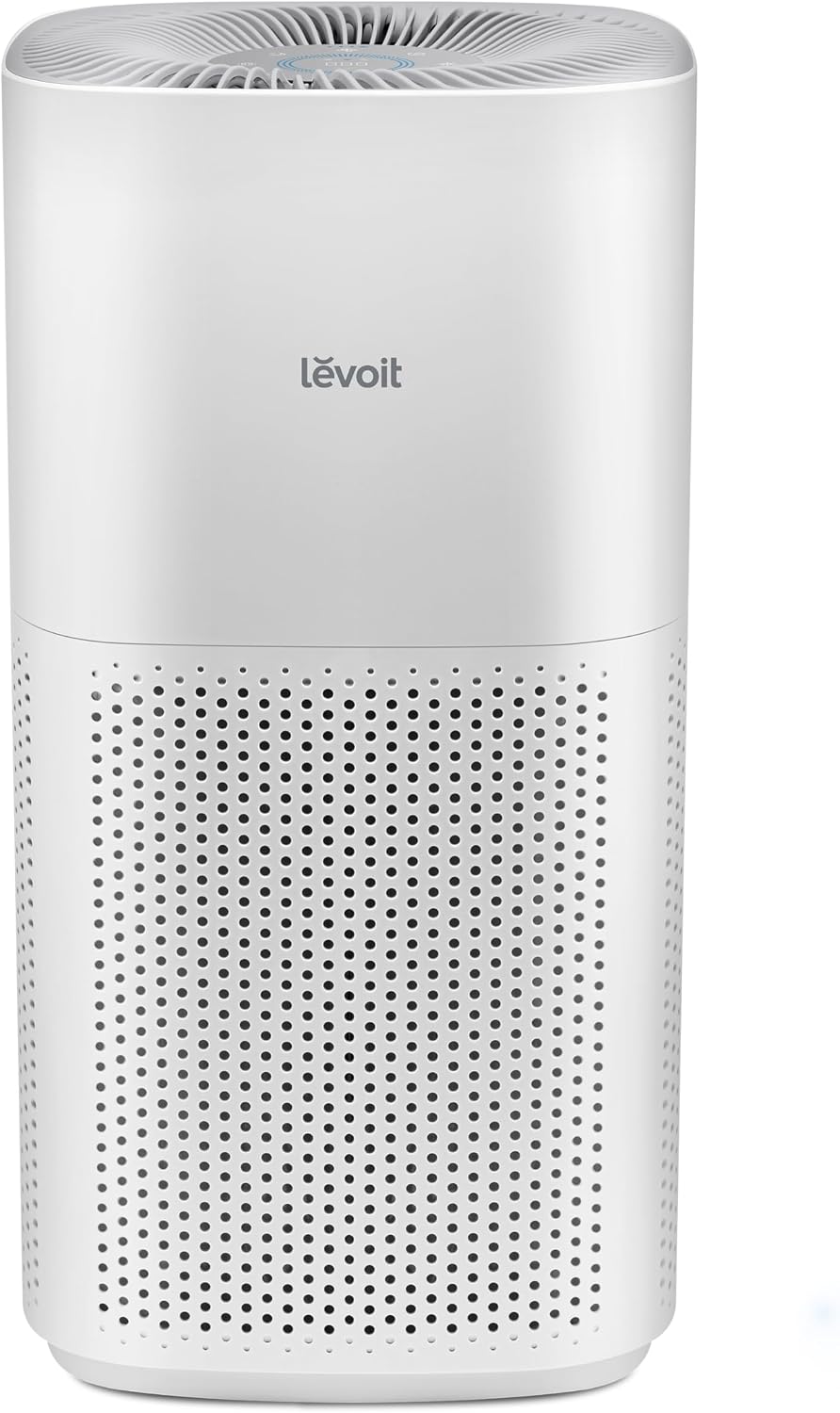
#2: Levoit Core 400S — Best for living rooms
The Core 400S’s 240 CFM CADR is enough for a standard living room in a humid climate. The 240g carbon layer is a bonus — it helps with the “musty” odor that comes from mold, which HEPA alone can’t remove.
The Alexa/Google integration means you can say “Hey Google, turn up the living room purifier” from bed. The auto mode handles the humidity spikes without you thinking about it.
#3: Xiaomi Air Purifier (H13) — Best for medium-large rooms
The H13’s 420 m³/h CADR is slightly higher than the 4 Compact, making it the better pick for a 300–540 sq ft room. The air-quality LED ring is a nice touch — it turns yellow when mold spores or other particles spike, so you can see the alert without checking the app.
#4: Levoit Core 300S — Best budget pick
If you’re on a tight budget and just want a quiet purifier for a small room (bedroom, bathroom, office), the Core 300S is the best value. At ~$150, you can afford a second unit for the bathroom — the most mold-prone room in the house.
The catch: The filter needs replacing every 6–8 months at ~$30. In a humid climate, mold spores load the filter faster, so you’ll be at the 6-month mark.
The mold control protocol
Step 1: Fix the moisture source
- Check for leaks (roof, pipes, windows)
- Use an exhaust fan in the bathroom and kitchen
- Keep windows closed on humid days
- Run a dehumidifier if your relative humidity is above 60%
Step 2: Run the purifier on auto mode 24/7
- The PM2.5 sensor will detect mold spore spikes
- The purifier ramps up automatically
- You don’t need to think about it
Step 3: Change the filter on schedule
- In a humid climate, check the filter monthly
- Replace every 6 months (not 12)
- A clogged filter is noisier and less effective
Step 4: Clean surfaces
- Wipe down walls, baseboards, and windows weekly with a damp cloth
- Vacuum carpets with a HEPA filter
- Wash bedding weekly in hot water (kills dust mites too)
The bottom line
For bedrooms in humid climates, the Xiaomi Mi Air Purifier 4 Compact is the best pick — 400 m³/h CADR, PM2.5 history graph, and 20 dB noise. For living rooms, the Levoit Core 400S is the sweet spot — 240 CFM CADR, 240g carbon for musty odors, and Alexa/Google control.
The key is to pair the purifier with a dehumidifier (if your humidity is above 60%) and change the filter every 6 months. A purifier is a particulate filter — it captures the spores, but it doesn’t fix the moisture that causes mold to grow.